
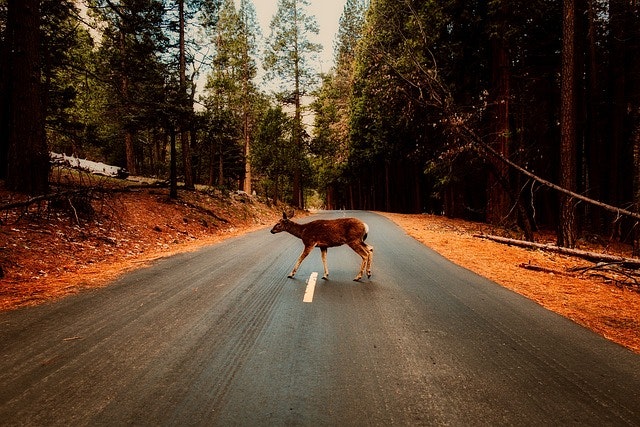
Watch Out for Deer
Appreciate the Fall, But Beware of Its Hidden Dangers
Fall is a magnificent season, with vibrant leaves painting the landscape and a crispness in the air signaling the change of seasons. However, as we revel in these natural beauties, it's crucial to acknowledge the lurking hazards this time of year brings — particularly the significant increase in deer-related accidents. These incidents result in staggering financial ramifications, costing drivers more than $1 billion annually, with repairs averaging $3,000 per incident. Yet, armed with the right knowledge, you can proactively protect yourself and your vehicle, especially in the risky months from October to December.
Safety Tips to Avoid Deer Collisions
Heed the signs. Deer crossing signs are strategically placed in high-traffic areas for deer movements. Reducing your speed in these zones grants you more reaction time.
Look for more than one. Upon spotting a deer, slow down and remain alert. Deer usually travel in groups, so anticipate more might follow.
Be mindful of peak activity hours. In the fall, deer are most active during the afternoon, yet at dawn and dusk, they are more difficult to spot. Exercise extra caution during these times, particularly on rural or wooded roads.
Use your high beams wisely. At night, when no oncoming traffic is present, engage your high beams to spot a deer's reflective eyes from a greater distance.
Know when not to swerve. If a deer appears unexpectedly in your path, brake firmly while keeping your lane. Swerving can lead to severe mishaps involving other vehicles, trees, or guardrails.
Use your seat belt. Wearing a seat belt drastically cuts down the risk of serious injury if a collision occurs.
If a collision occurs, take the proper steps. Post-collision, shift your vehicle to a secure location, activate hazard lights, contact the police, refrain from approaching the injured animal, and inform your insurance provider about the incident.
While deer collisions pose a genuine seasonal threat, following these proactive measures can significantly mitigate risks. Stay vigilant and consider every rural road or forested stretch as a potential hazard zone. Don't hesitate to reach out to our office with inquiries about your auto insurance coverage, particularly concerning deer-related accidents. We're here to ensure you're well-prepared and adequately covered.