
Backyard Liability Risks: Are Your Home Features Covered?
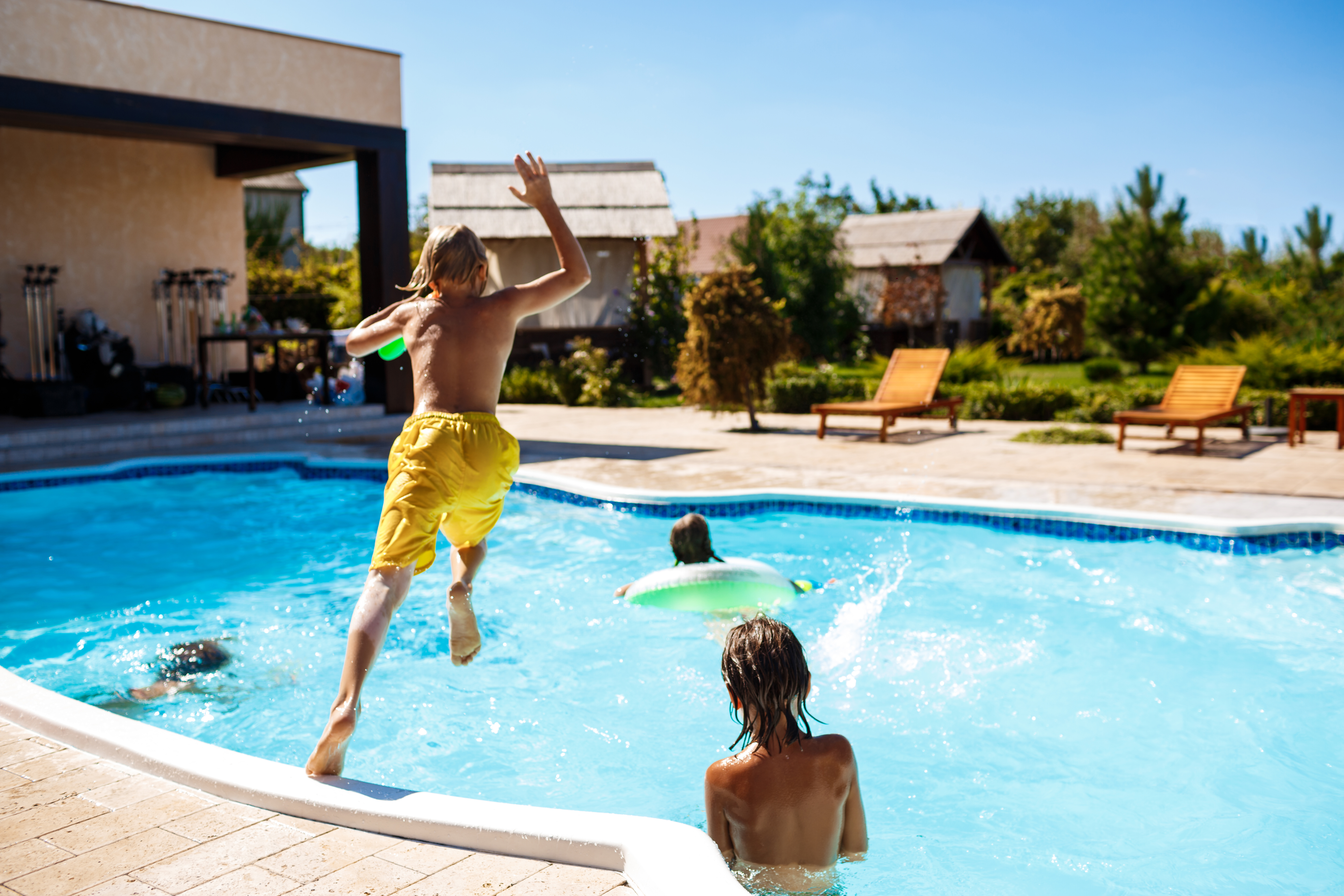
Summer often inspires homeowners to refresh their outdoor spaces with pools, trampolines, and play areas that bring families and friends together. While these additions create opportunities for fun, they can also introduce new liability concerns that many people overlook. Understanding how these features interact with your homeowners insurance can help you protect your household and enjoy your backyard with confidence. By learning the basics of liability coverage, recognizing the responsibilities tied to an attractive nuisance, and taking simple safety measures, you can reduce the chances of an accident and minimize financial risk.
What Homeowners Liability Insurance Typically Covers
Most homeowners insurance policies include personal liability protection. This part of your policy is designed to help cover costs if someone gets hurt on your property and you are found legally responsible. Coverage may extend to medical bills, legal representation, or a settlement if a claim is filed against you.
The Insurance Information Institute notes that many policies begin with liability limits around $100,000, but many homeowners choose higher limits for added security. Features such as pools, trampolines, and swing sets can raise the chances of injury, making strong liability coverage especially important.
Even with this protection in place, insurance is not meant to replace basic safety precautions. Carriers expect homeowners to take reasonable steps to prevent harm, and failing to follow safety requirements could affect the success of a claim.
The Role of the Attractive Nuisance Doctrine
Another key concept for homeowners to understand is the idea of an attractive nuisance. This refers to a feature or object on a property that is likely to draw a child’s interest but could also present danger. Because children may not fully recognize potential hazards, property owners are often held to a higher standard when it comes to protecting them.
Common attractive nuisances include:
- Swimming pools
- Trampolines
- Treehouses
- Playground structures
Even if a child wanders onto your property without permission, you may still be responsible for taking measures to prevent injury. Many local codes and insurance providers require safeguards such as locked pool gates, surrounding fences, or approved safety covers. These measures not only help reduce risk but also show that you have taken reasonable steps to discourage unsupervised access.
Policy Conditions and Possible Coverage Limitations
Insurance companies often treat certain backyard features differently, and the specific requirements can vary significantly from one policy to the next. Some additions may require specific safety features, while others may be excluded from coverage entirely.
Pools, for example, frequently come with strict guidelines. Many insurers require a secure fence or barrier equipped with a self-latching gate. Lacking these protections could jeopardize coverage if an incident occurs.
Trampolines are another feature that insurers monitor closely. Some policies require protective netting, while others exclude trampoline-related injuries altogether. Playground equipment can also create liability concerns if it is not assembled correctly or maintained routinely.
Because requirements differ across carriers, reviewing your policy with an insurance professional is an important step. This allows you to confirm safety expectations, identify any exclusions, and verify that your liability limits are sufficient for your needs.
Steps Homeowners Can Take to Reduce Risk
Accident prevention is always the best strategy, even if your homeowners insurance includes liability protection. Fortunately, there are practical ways to make your backyard safer for guests and family members.
Start by installing proper safety features. Fences around pools, nets around trampolines, and stable play structures can significantly reduce opportunities for injury. Gates that close and latch on their own are especially valuable because they help prevent unsupervised entry.
Consistent inspections are equally important. Outdoor equipment can deteriorate from weather, frequent use, or age. Checking for wear—such as loose bolts, rust, torn netting, or instability—can help you identify hazards before they lead to accidents.
Clear signage can also support safety efforts. Posting pool rules, depth markings, or warnings can encourage responsible behavior from visitors.
Active supervision remains one of the strongest preventative tools. Keeping watch over children near pools or trampolines can prevent many common mishaps before they occur.
Why Documentation Matters
One step that homeowners often overlook is recording the safety measures they take. If a liability claim arises, this documentation may help support your case by demonstrating that you took reasonable precautions.
Useful records may include:
- Photos of fences, gates, and enclosure systems
- Maintenance logs for playgrounds, trampolines, and other equipment
- Receipts showing repairs or safety upgrades
- Notes from routine inspections
While documentation cannot guarantee protection from liability, it can help show that you responsibly maintained your property and complied with recommended safety practices.
A Helpful Backyard Safety Checklist
Before hosting warm-weather gatherings, take a moment to review a simple backyard safety checklist:
- Add any required fences, barriers, or covers around pools or other attractive nuisances.
- Confirm that all gates close and latch automatically.
- Inspect trampolines, playgrounds, and other equipment regularly.
- Replace damaged hardware or worn components as soon as possible.
- Keep clear records of maintenance and safety efforts.
- Review your homeowners policy for exclusion details and liability limits.
Completing these steps can help protect your loved ones, reduce the likelihood of accidents, and limit your exposure to financial risk.
Safeguard Your Home and Enjoy Your Backyard
Pools, trampolines, and other outdoor features can transform your backyard into a place where friends and family gather all summer long. With proper maintenance and the right insurance protection, you can enjoy your outdoor space while reducing avoidable risks.
If you're uncertain whether your current homeowners policy offers the liability protection you need, connecting with an insurance professional can provide valuable insight. A policy review can reveal potential gaps, highlight required safety features, and ensure your coverage limits match your situation.
If you have questions about your coverage or want to discuss your liability protection, reach out today. A short conversation can help you feel confident that your backyard fun is backed by the right safeguards.