
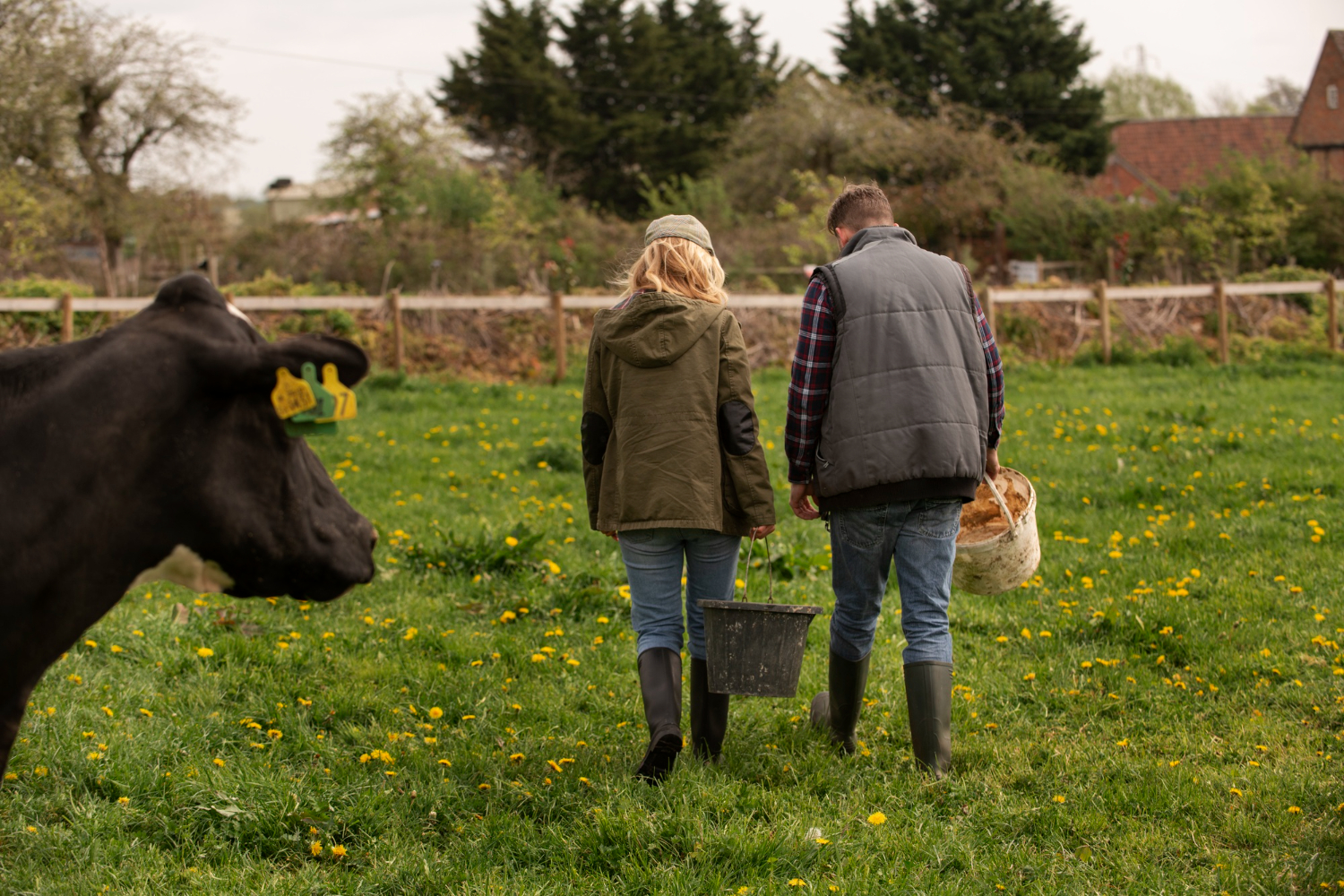
Agritourism Insurance Essentials for Farm Owners
Agritourism offers farms a valuable way to expand their income while welcoming the community onto their property. However, once visitors arrive for tours, festivals, or hands‑on experiences, the farm’s risks begin to shift. Understanding how agritourism insurance works helps ensure the property and its guests remain protected throughout the season.
When guest activities blend with day‑to‑day agriculture, the right coverage becomes essential. Specialized policies or endorsements help address exposures that a standard farm policy may not cover, allowing farms to confidently operate both their agricultural and visitor‑focused attractions.
How Agritourism Changes a Farm’s Risk Landscape
Opening a farm to the public introduces elements that differ from traditional farming. Attractions like hayrides, corn mazes, educational tours, and seasonal celebrations create a mix of hospitality and entertainment that increases overall exposure.
Many insurers classify public‑facing activities as separate risks. Features such as petting areas, pick‑your‑own fields, or fall events may not automatically fall under a basic farm policy. Without expanded coverage, portions of these operations may be excluded.
Agritourism insurance helps close the gap between routine agricultural work and the additional responsibilities that come with hosting guests. This ensures that both sides of the operation have the protection needed to respond to unexpected incidents.
Liability Coverage for Visitor Injuries
For farms that welcome guests, liability protection is often a top priority. Visitors may be unfamiliar with the terrain or daily operations of a working farm, which can increase the chances of accidents despite clear safety efforts.
Liability coverage helps with legal defense and covered damages if the farm is found responsible for a guest injury linked to agritourism activities. Whether an incident occurs during a festival, tour, or casual visit, this coverage helps prevent a single event from becoming a major financial setback.
Because each activity introduces different risks, insurers typically ask for details about every attraction offered. This information helps build coverage that accurately reflects the operation.
Property Protection for Visitor‑Focused Assets
Many agritourism setups require new structures and equipment designed specifically for guests. Event barns, temporary tents, signage, games, play areas, lighting, and retail equipment are common additions not typically found on a standard farm.
Traditional farm policies may not protect these guest‑oriented assets in the same way they cover agricultural buildings or machinery. Agritourism insurance can extend property coverage to include these items.
If a covered event such as fire, theft, or certain storms damages these features, additional property protection can help repair or replace them. This coverage can be especially important for farms that rely heavily on visitor attractions during peak seasons.
Business Income Coverage During Unexpected Closures
For agritourism operations, timing plays a major role in success. Many farms earn a significant portion of their revenue during short seasonal windows. Losing just a few operating days due to a covered loss can have a major impact.
Business income coverage helps replace lost revenue if the farm must shut down temporarily after a covered event, such as storm damage or facility issues. It may also help with ongoing expenses while repairs are underway.
This type of coverage is especially valuable for operations that depend on heavy traffic during harvest seasons, holiday periods, or popular annual events.
Special Coverage for Events and Attractions
Large events often draw the biggest crowds to an agritourism property, but they also introduce added risks. Activities such as corn mazes, markets, hayrides, or seasonal gatherings can increase exposure significantly.
Some events may include third‑party vendors, alcohol service, temporary structures, or specialized attractions. Because these elements bring additional risk, some farms may need event‑specific coverage or endorsements.
Insurers usually request details on event planning, activities offered, and vendor involvement. This helps ensure the policy reflects the heightened exposure on busy event days.
Coverage Considerations for Seasonal Employees
Many farms rely on temporary staff during peak agritourism months. These workers may handle admissions, lead tours, supervise children’s activities, or assist with food service.
Workers’ compensation coverage is often recommended to help safeguard both the business and its employees if an injury occurs on the job. Depending on state guidelines, seasonal workers may not automatically be covered under an existing policy.
Reviewing staffing needs before the season begins helps confirm that all temporary workers are properly insured and that the operation complies with local regulations.
Auto Coverage for On‑Farm Transportation
Vehicles are a common part of agritourism operations, whether they are transporting guests on wagon rides, moving supplies between event areas, or delivering products from on‑site markets.
Commercial auto coverage helps address accidents involving vehicles used for business purposes. This protection may help cover injuries or property damage tied to vehicle use within the operation.
If vehicles transport guests or support visitor activities, it is important to confirm these uses are clearly listed within the policy.
Why Every Agritourism Operation Should Evaluate Its Coverage
Each farm runs its agritourism activities differently. Some host a few events per year, while others offer multiple attractions throughout the season. Because coverage varies by carrier, understanding the details of the operation is essential.
Conducting a policy review ensures that every activity, event, and structure is properly disclosed and protected. Aligning coverage with the way the farm actually operates helps reduce risk ahead of the busiest times of the year.
Farms that host guests or seasonal attractions should consider speaking with an insurance professional who understands agritourism‑related exposures. A thorough review helps ensure both the farm and its visitors stay protected throughout the season.