
Fire Prevention Month: Essential Tips for the Agricultural Community
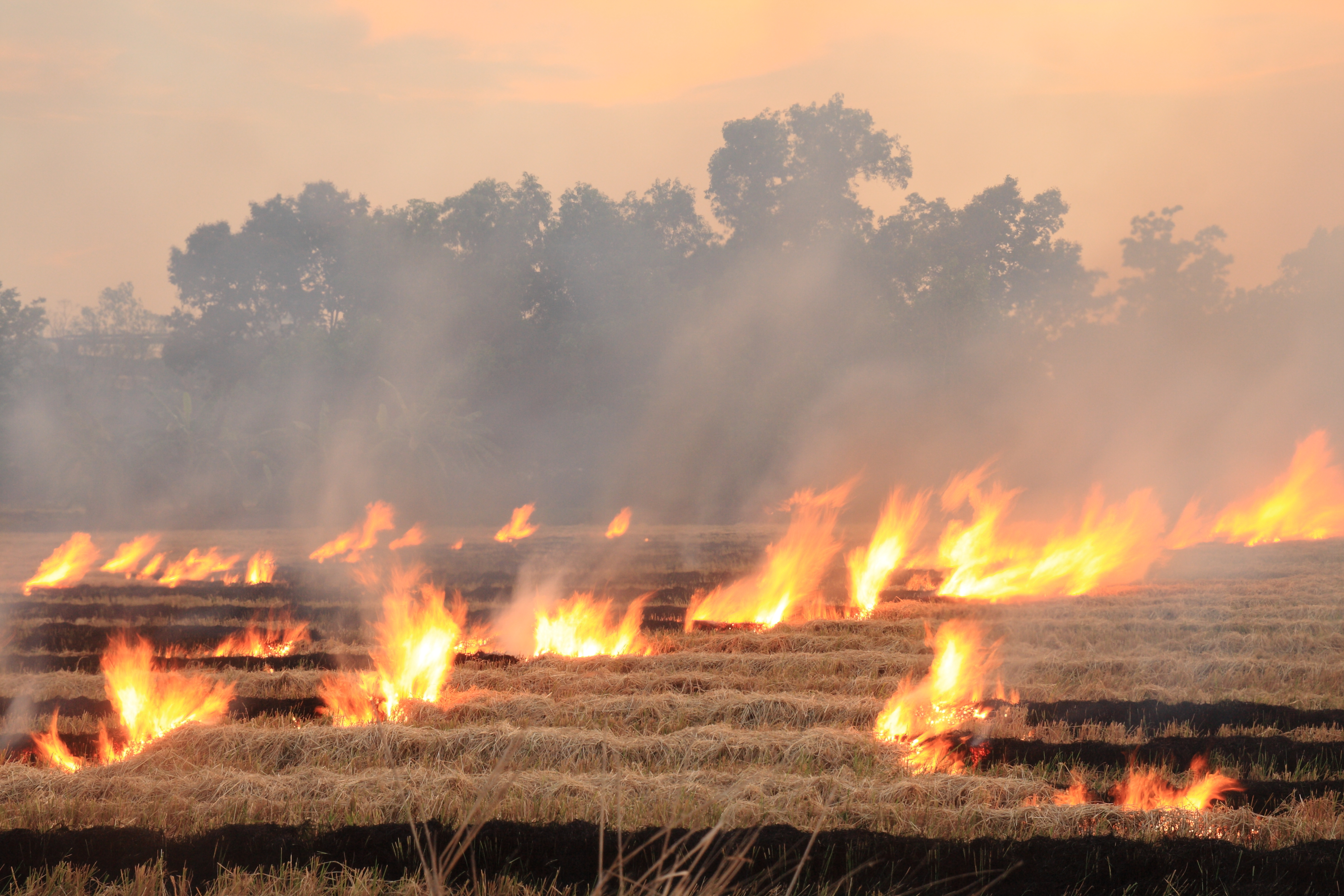
October signifies Fire Prevention Month, a crucial time to focus on fire safety, especially in the agricultural sector. With harvest season in full swing, the combination of dry conditions and high winds elevates the risk of fires. This guide provides timely and practical advice that could protect your livelihood, equipment, and crew. Remember, prevention today can save significant losses tomorrow.
Maintain Equipment Cleanliness
Dry plant material, when accumulated on machinery, poses a direct fire risk. Make a habit of cleaning off this material daily using compressed air or battery-powered blowers. Pay special attention to the engine compartments, belts, bearings, and radiators.
Ensure Proper Hay Storage
Store baled hay in well-ventilated areas, away from heat sources. Monitoring temperatures is key to preventing spontaneous combustion, a common yet preventable cause of fires.
Cool Machines Before Parking
Before parking your combines and tractors, allow them to cool down. Parking on fire-resistant surfaces and creating firebreaks by disking around storage areas adds an extra layer of protection against unintended fires.
Adjust Harvesting Based on Weather Conditions
Be mindful of weather patterns, especially during the windiest and driest parts of the day, typically between 2–4 p.m. Waiting for higher humidity levels or a drop in wind speed can significantly reduce fire risk during harvesting.
Monitor for Overheating Components
Use an infrared thermometer to keep track of machinery temperatures. If any component runs hot, pause operations and inspect your equipment carefully before resuming.
Make Fire Safety Part of Daily Maintenance
Incorporate daily checks of coolant, oil, and air filters into your maintenance routine. Remove any grease and debris near hot engine parts, and always allow equipment to cool before refueling.
Prepare Fire Tools and Emergency Info
Equip each combine with at least two fire extinguishers: one in the cab and one at ground level. Train your crew on their use and ensure everyone knows the 911 field addresses.
Fire prevention is not just a task but a necessary daily routine during harvest season. Even the smallest spark can lead to devastating losses, but with proactive habits, most agricultural fires can be prevented. Take this month as an opportunity to review and reinforce your fire safety procedures before it's too late.