
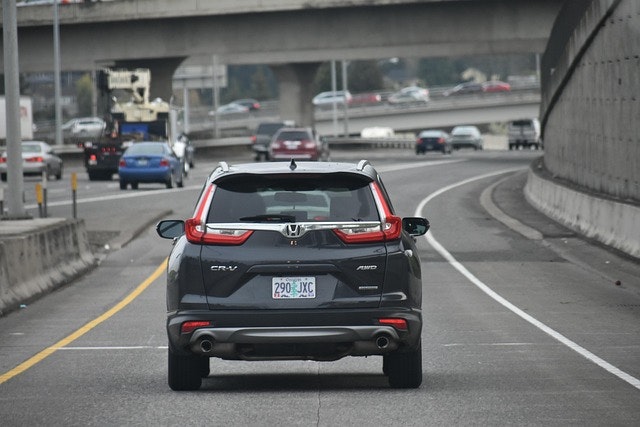
Does Auto Insurance Cover the Car or the Driver?
If you’ve ever loaned your car to someone or borrowed a vehicle yourself, you may have wondered which insurance policy would apply if something went wrong. Understanding whether coverage follows the car or the driver is essential for avoiding unexpected financial issues. Although the general rule is that insurance usually follows the vehicle, there are several exceptions that can influence how a claim is handled.
Below is a clear breakdown of how auto insurance typically works, when the rule changes, and what you should consider before sharing your vehicle with someone else.
The General Rule: Insurance Typically Stays With the Vehicle
Most auto insurance policies are attached to the insured vehicle rather than the person driving it. When an accident occurs, the policy covering that specific car generally provides the initial layer of liability protection. This means the owner’s insurance is usually the first policy used to cover injuries or property damage.
Liability coverage exists to pay for harm caused to others in a crash. Because this protection is linked to the insured car, it generally applies whether the owner or a permitted driver was behind the wheel.
For example, if you allow a friend to use your car and they cause an accident, your policy is generally responsible for covering the loss up to your policy limits. If the total damages exceed your coverage, the driver’s personal insurance may act as secondary protection, offering another layer of assistance.
When the Rule Has Exceptions
Although the vehicle’s insurance usually provides primary coverage, there are several circumstances that can change this outcome or even prevent the owner’s policy from applying. These situations often create confusion and can lead to coverage gaps if not understood in advance.
Permission Plays a Key Role
If you give someone consent to drive your vehicle, your policy typically covers them under permissive use. However, if someone takes your car without asking, your insurer may decline to pay for damages. That distinction between permission and unauthorized use is critical when determining whether coverage applies.
Excluded Drivers Are Not Covered
Many insurance policies allow the owner to exclude specific individuals from coverage. These exclusions are sometimes used when someone in the household has a concerning driving history. If an excluded individual drives your car and causes an accident, your insurance provider could deny the claim entirely, leaving both parties responsible for the costs.
Household Members Must Be Listed
Insurance companies usually require that anyone living in your home who regularly drives your vehicle be listed on your policy. If a household member frequently uses your car but is not included, the insurer may limit or refuse coverage because the risk was not properly disclosed.
Business or Commercial Use May Not Be Covered
Using a personal vehicle for business activities — such as transporting customers, making deliveries, or running a service-based operation — may fall outside your personal policy’s coverage. In these cases, you may need additional endorsements or a commercial auto policy for proper protection.
Ride-Sharing and Delivery Driving Create Additional Complexity
Working for ride-sharing or delivery platforms can introduce unique coverage gaps. Many personal auto policies exclude driving done for these services unless special coverage has been added. Although some companies offer limited insurance during certain periods, it may not apply throughout the entire trip, leaving drivers exposed without the proper endorsements.
Real-World Examples Help Clarify How Coverage Works
Consider lending your car to a friend who needs to run errands. If they accidentally collide with another vehicle, your insurance would typically act as the primary coverage since the insured vehicle was involved. Your policy would pay for injuries or damages up to your coverage limits, and your friend’s policy might help only if the costs go beyond what your policy covers.
Now imagine the situation reversed. You borrow a friend’s car while your own is in the shop and end up in an accident. In this case, your friend’s insurance would usually take the lead because the vehicle is the one insured. Your policy might still assist as secondary coverage if the total damages exceed your friend’s limits.
Why Policy Details Matter More Than You Think
Auto insurance policies may look similar but can function very differently depending on their terms. Items such as exclusions, endorsements, driver listings, and even state laws can influence how a claim is resolved. Because these details vary widely, reading your policy carefully is essential for knowing what will happen after an accident.
Even small clauses can affect your financial protection. Understanding what your insurance covers helps you prepare for unexpected events and prevents surprises when filing a claim.
Things to Consider Before Lending Your Car
Letting someone borrow your vehicle may seem like a simple favor, but it comes with responsibility. Before handing over your keys, think about the driver’s experience, driving record, and whether they hold a valid license. It’s also wise to confirm that your liability limits are sufficient to protect you if an accident occurs.
You should also be aware of any restrictions within your policy, such as excluded drivers or business-use limitations. Taking a moment to assess these factors can help you avoid potential coverage issues.
Understanding Your Coverage Helps You Stay Protected
While insurance usually follows the vehicle, the actual application of coverage can vary depending on permission, exclusions, and how the car is being used. Having a clear understanding of these rules is one of the best ways to protect yourself — whether you’re lending your car or borrowing someone else’s.
If you have questions about how your own auto insurance applies in certain scenarios or want help reviewing your policy, consulting a trusted insurance professional can provide clarity. A brief conversation can make a meaningful difference in ensuring you have the protection you expect.