
Back-to-School Traffic Safety Tips for Drivers and Families
Quick Summary: As the school year begins, roads become busier with students walking, biking, and riding buses. Drivers and families must stay extra alert, follow school zone rules, and practice safe habits to reduce risks. Small, consistent changes can significantly improve safety for everyone during this high-traffic season.
As summer wraps up and the school year gets underway, daily traffic patterns shift almost overnight. Mornings grow more hectic, neighborhoods fill with activity, and school zones become high-traffic corridors. Because August marks National Traffic Awareness Month, it’s a perfect time to revisit safe driving habits that help protect students, families, and the broader community.
The return to school always brings a surge in vehicles, bicyclists, pedestrians, and new teen drivers. Staying alert and exercising extra caution can make a substantial difference when so many types of road activity happen simultaneously.
Why Back-to-School Season Calls for Extra Caution
Once school is back in session, once-quiet streets quickly fill with buses, parents dropping off students, and children traveling to and from school. This sudden rise in activity makes certain areas more prone to congestion and safety risks, especially during morning and afternoon peak times.
Drivers may face unexpected stops, increased pedestrian crossings, and crowded intersections. Younger children may have limited experience safely navigating traffic, which can lead to unpredictable behavior. Recognizing how dramatically traffic can shift during this season is key to preventing accidents and creating safer roadways.
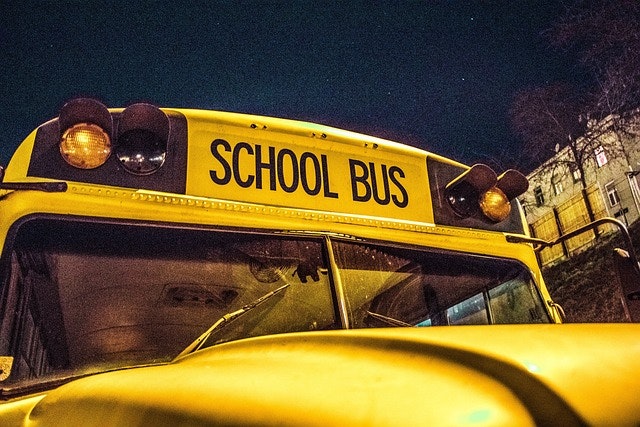
Understanding School Bus Safety
School buses are designed to transport students safely, but they also require additional attention from other drivers. Maintaining distance behind a bus is essential, especially because the 10-foot zones directly in front of and behind the bus are the most dangerous for children boarding or exiting.
Providing buses with extra space gives drivers more time to stop when the bus signals. Children may dart across the street unexpectedly or appear from areas with limited visibility. Slowing down and preparing to stop whenever a bus activates its warning signals helps prevent dangerous situations.
Sharing the Road With Pedestrians and Cyclists
The start of the school year brings more children walking or biking along busy routes. Drivers must be attentive, patient, and proactive in these areas. Yielding at crosswalks is essential, and passing a vehicle stopped for a pedestrian is never safe.
Young cyclists may behave unpredictably, riding out from behind cars or crossing without warning. Drivers should move slowly in neighborhoods and near schools, watching carefully for bikes in driveways, sidewalks, and streets.
Even simple habits can help prevent injuries. For example, checking mirrors for approaching cyclists before opening a car door can stop dangerous dooring incidents. These small moments of awareness make the road safer for everyone.
Safe Drop-Off and Pick-Up Practices
School drop-off and pick-up areas are often the most hectic parts of any school day. Following the school’s established traffic procedures is one of the best ways to keep these zones organized and safe.
Consistency helps reduce confusion. When drivers follow the same routes, signs, and designated stopping points, traffic moves more predictably. Avoiding shortcuts—such as stopping in unauthorized areas or cutting across traffic—greatly reduces risks.
Parents and caregivers play a critical role by modeling safe behavior. Taking just a few extra minutes to follow proper procedures helps protect students, staff, and other families.
Teaching Children Smart Road Habits
While drivers must prioritize safe behavior, children also need guidance to navigate traffic safely. Younger kids, especially those under age 10, shouldn’t cross roads without adult supervision. They benefit greatly from clear, consistent instruction.
Encourage children to stop, look both ways, and listen for oncoming cars before crossing streets. Using crosswalks and designated paths increases visibility and good habits.
Safety gear also matters. Helmets, elbow pads, and knee pads provide essential protection for students biking or riding scooters. Reducing distractions—such as avoiding mobile devices near streets—helps children stay alert and responsive.
Instilling strong safety habits early prepares children for responsible, confident road use as they grow into independent travelers.
A Shared Commitment to Safer Roads
Creating safer roadways during back-to-school season relies on everyone—drivers, families, and students. Staying attentive, obeying traffic rules, and watching for pedestrians and cyclists can dramatically reduce the likelihood of accidents.
Even minor choices, like reducing speed in school zones or checking carefully before reversing, reinforce a community-wide commitment to protecting children and other vulnerable road users.
As routines adjust and traffic patterns shift, choosing to stay cautious and consistent helps prevent unnecessary risks.
Preparing for a Safe School Year
The back-to-school transition doesn’t have to be overwhelming or hazardous. With mindful decisions and intentional awareness, drivers and families can navigate this busy season safely. Understanding common risks and taking simple precautions go a long way toward keeping everyone protected.
If you have questions about road safety, liability, or how to safeguard your family, the team at Jensen Agency is here to help. Our professionals can provide personalized guidance to help you stay secure and informed throughout the school year.